
The “complete woman” of 1615: Why distillation and perfumery were key skills for a housewife
In 1615, a book by Gervase Markham titled “The English Huswife” was published in London. Its goal was to outline the ideal and the essential skills of a woman who managed a household. While today we associate homemaking mainly with cooking and organizing daily life, Markham’s list is astonishing: he expected a woman to master healing, cooking, banquet organization, distillation, perfumery, wool processing, dairy production, and even brewing.
Among all the skills that a woman in 1615 England had to possess, what caught our attention were perfumery and distillation. Why, among so many unusual skills, were these considered essential?
We decided to explore this question and found that distillation and perfumery were not whims or hobbies. They were critically important production processes at the core of health, economic stability, and the social status of a family.
Distillation: The Heart of the Home Pharmacy and Laboratory 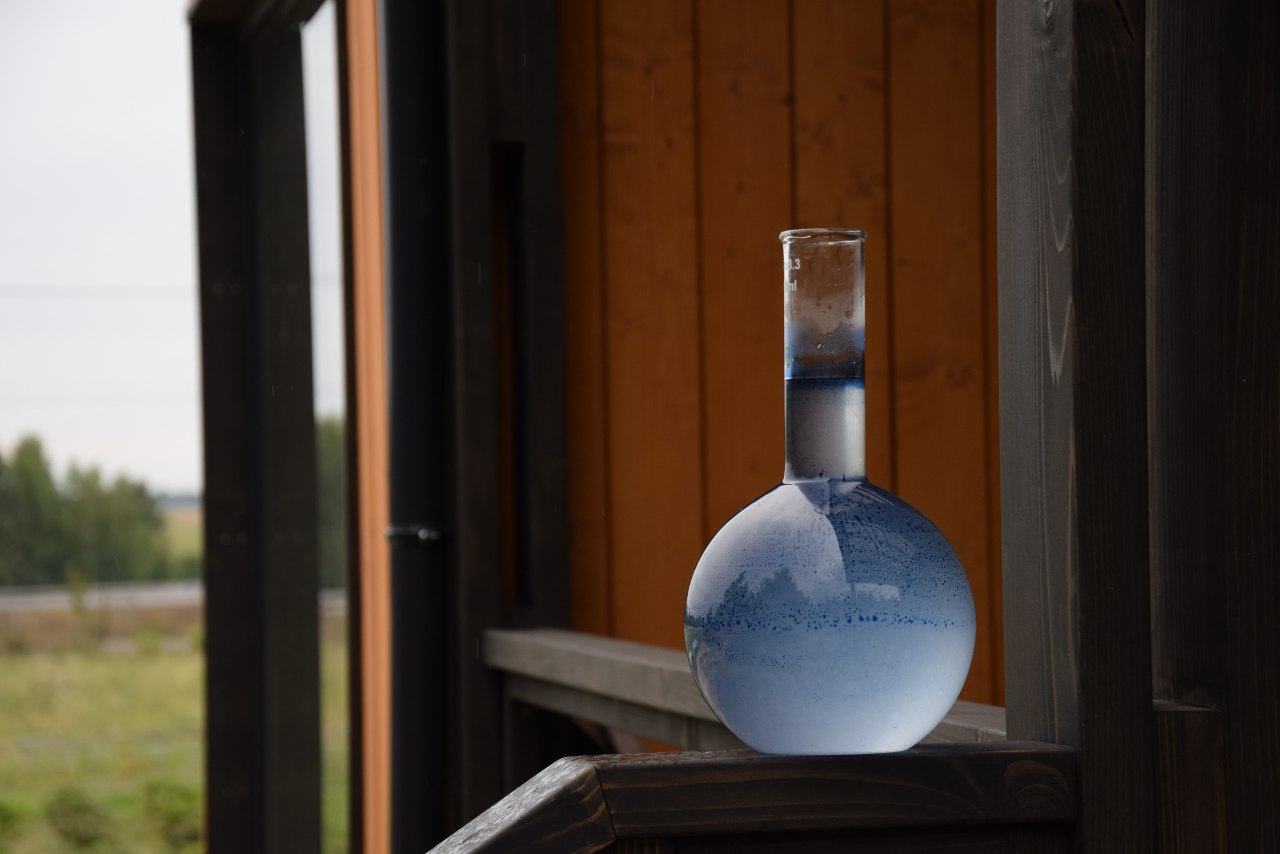
In the 17th century, a household functioned as an autonomous production center. A woman was not simply a housekeeper but the chief manager, pharmacist, and alchemist of the family.
1. Medical Rescue
The alembic (a device for distilling plants) was an essential kitchen tool that served as the equivalent of a modern pharmacy.
Medicine production. The primary goal of distillation was to create “distilled waters” (what we now call hydrolats/hydrosols). These waters were used to treat fever, digestion issues, and women’s ailments.
Essences and spirits. Distillation allowed the production not only of “distilled waters” but also of essential oils and alcohol (aqua vitae, “the water of life”). Essential oils, in addition to their medicinal uses, served as universal preservatives, and alcohol was a powerful solvent for making strong herbal tinctures.
2. Economy and Quality
Buying ready-made medicine from city apothecaries was expensive and often unreliable. The ability to distill at home provided the family with access to high-quality, trustworthy ingredients while saving significant costs.
A housewife who could handle an alembic properly was essential for the family’s survival during epidemics and illnesses.
Perfumery: Hygiene, Status, and Protection
Perfumery skills in “The English Huswife” had both functional and social importance.
1. Functional Hygiene
In an era when centralized sanitation did not exist and personal hygiene was challenging, aromas played a crucial role:
Masking odors. Essential oils used as perfumes, aromatic sachets, and pomanders (fragrant balls often made with cloves and citrus) helped mask unpleasant smells in homes and on clothing.
Protection from illness. During the period dominated by the miasma theory (the belief that diseases were caused by “bad air” or foul smells), a strong pleasant aroma (especially from antibacterial herbs such as rosemary or lavender) was considered active protection against plague and infections.
2. Social Status and Diplomacy 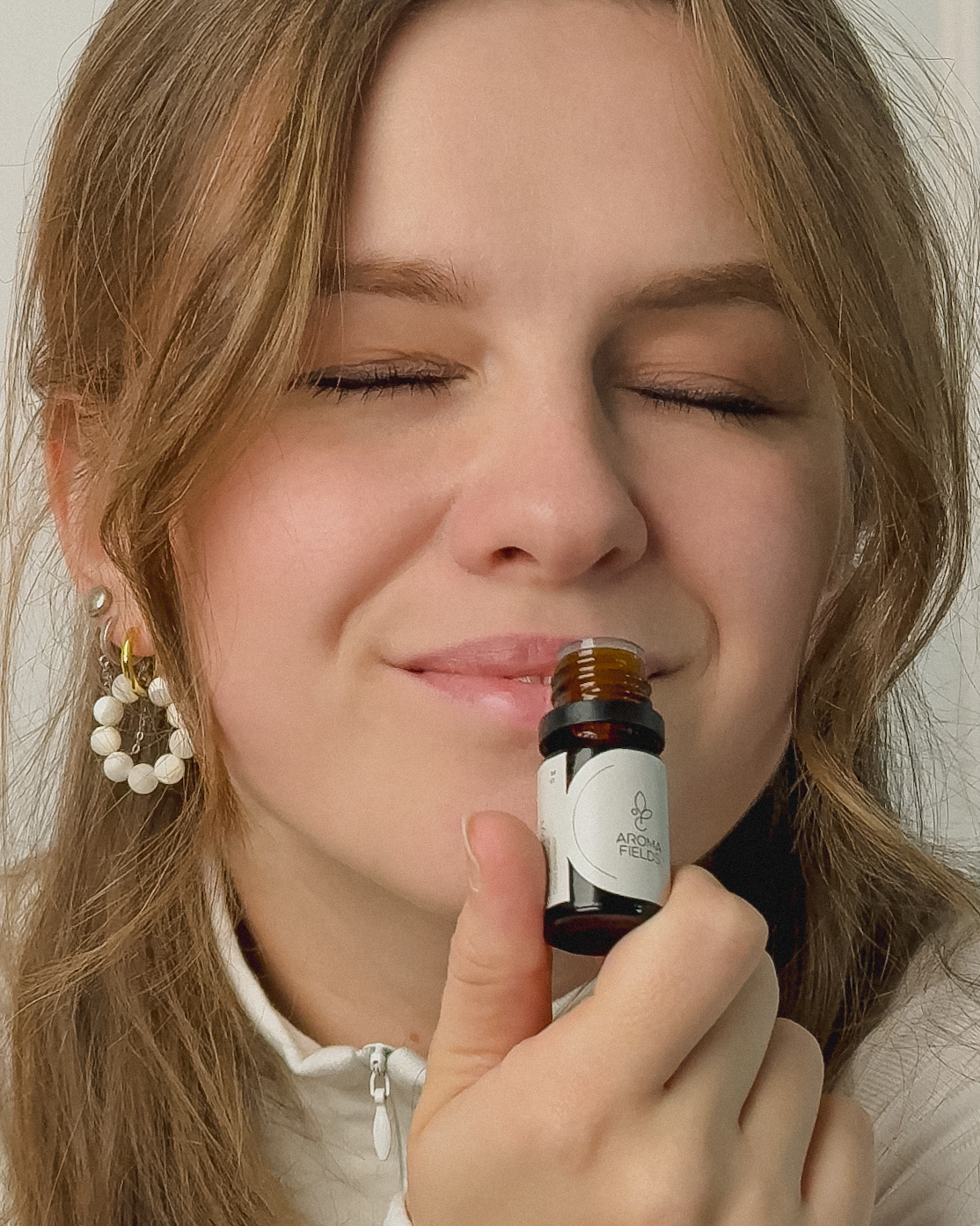
Skill in herbal perfumery was a sign of higher social standing:
Personal care. Women prepared their own distilled waters (for example, rose water distilled at home) and salves.
Hospitality. Aromatic herbs and essential oils were used to make scented cleaning products (such as floor-polishing mixtures) and to fragrance rooms before receiving guests — a demonstration of wealth and refinement.
A Connection Across Centuries: From 1615 to Today
Markham clearly emphasized: the ideal woman was a woman-producer. She transformed nature’s gifts into medicine, cosmetics, and economic assets.
Today, when you choose a genuine hydrolat or essential oil, you are not simply buying a product. You are continuing a lineage of knowledge established by “complete women” 400 years ago.
Your preference for botanical perfumery, authentic essential oils, and hydrolats is not just a trend. It is a return to ancient wisdom, where beauty, health, and skills were inseparable.
By purchasing botanical products from Aroma Fields, you are practically applying ancient knowledge about the power of plants to maintain health, harmony, and quality of life.
What does a “complete woman” mean to you?
Share your thoughts in the comments!